Raise Capital
Products
Resources

The bar that helped define modern cocktails invited its community to become owners, bringing 2,764 investors into the story and showing how hospitality brands can raise growth capital without losing the plot.

In 2006, Death & Co opened in Manhattan's East Village, an intimate room built on a simple conviction: that hospitality could be both artful and rigorous, and that the details mattered.
Founder and CEO David Kaplan didn't come up through traditional restaurant tracks. He had studied fine art in New York, and he entered hospitality the way many great concepts do: with ambition, intuition, and a willingness to learn fast, sometimes in public.
Within days, Death & Co found itself in the spotlight. Demand surged. The early years were equal parts craft and chaos, no modern systems, limited infrastructure, and a team building the plane while flying it. What emerged from that pressure was not just a busy bar, but a point of view: a standard for technique, service, and the kind of atmosphere people still try to replicate.
"When you're 24, ignorance is one of the driving factors that allows you to accomplish things that otherwise don't particularly make sense. I thought it was completely rational to open a business in which I had no experience."
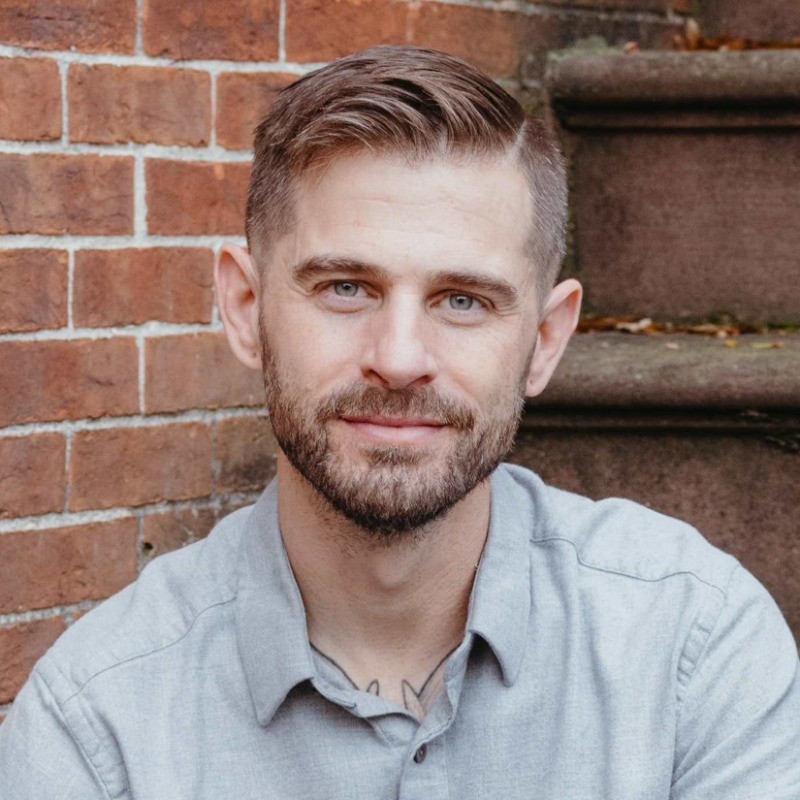
— David Kaplan, Founder & CEO (featured on CNN's Quest Means Business)
Nearly two decades later, Death & Co, operating under parent company Gin & Luck, has grown from a single bar into a multi-vertical hospitality company. When it came time to fund expansion, the team made a deliberate choice: raise capital with the community that helped build the brand in the first place.
Through community raises powered by DealMaker, Gin & Luck raised $9.3M+ from 2,764 investors, turning loyal guests into long-term stakeholders.
Death & Co's reputation wasn't manufactured. It was earned over years of consistent execution. The brand's bars and books have been recognized across the industry, including major honors within cocktail culture and culinary publishing.
But the story has never been just volume. Death & Co became influential because it built a repeatable experience: training, technique, hospitality language, and a culture of precision that traveled well.
*As reported by the company. **Company projections.
For founder-led hospitality brands, the tradeoffs are real. Traditional capital can come with expectations, speed, uniformity, control, that may conflict with craft-first execution.
How do you scale a brand known for nuance without sanding down what makes it special?
Kaplan and co-founder Alex Day believed the best long-term partners weren't necessarily the ones with the biggest checks. They were the ones aligned with the mission and the customer experience. Community capital offered a different path: one where growth could be funded by the people most invested in the brand's integrity.
"I was wary at first and quickly understood the incredible power that crowdfunding could have, and how aligned it is with how we've grown our business. In 2018, we did our first crowdfund and raised almost $3 million."
— David Kaplan (CNN)
Community capital wasn't positioned as "easy money." It was a decision to build a different kind of cap table, one rooted in brand affinity, repeat engagement, and long-term belief.
Gin & Luck chose DealMaker because the goal wasn't a one-time campaign. It was to build repeatable capital formation inside the brand's ecosystem, with the operational rigor and compliance support required at scale.
Across campaigns, DealMaker processed $9.3M+ in commitments, helping Gin & Luck add a meaningful base of aligned, long-term supporters.
"When your investors are also your customers, you create a different kind of flywheel. It's not just capital, it's frequency, advocacy, and long-term alignment."
— David Kaplan
*As reported by the company. As with any private investment, ownership in a hospitality business is illiquid, returns are not guaranteed, and outcomes depend on execution, market conditions, and time.
With community capital secured, Gin & Luck is pursuing growth via a mix of ownership, licensing, and developer/partner-funded models designed to reduce capital intensity.
A broader-access concept extending the Gin & Luck portfolio into new territory.
Hotel integration creating higher-margin hospitality experiences with built-in F&B operations.
A licensing model that extends brand reach without deploying company capital.
Partner-supported buildout reducing upfront capital requirements while maintaining brand standards.
Death & Co flagship expansion into the Pacific Northwest and international markets through partnership with AVC.
When CNN International's Quest Means Business explored community-first approaches to hospitality funding, they featured David Kaplan and the company's community-first approach.
During the interview, Richard Quest pressed on the tension many founders face, growth vs. "selling out." Kaplan's response emphasized the underlying thesis: build an outcome that proves craft-first hospitality can deliver real financial returns without compromising what guests come for.
Death & Co's raise wasn't presented as a shortcut. It's a case study in how premium hospitality brands can pursue expansion while retaining control, by building with the people who already believe.
"Part of my goal in creating that exit is to show that this industry can create phenomenal returns, and we can do so while maintaining the integrity of the product... We've yet to see it in bars or cocktail bars. That is part of the reason why I think that exit is important."
— David Kaplan, Founder & CEO, Gin & Luck / Death & Co
If you're building an iconic hospitality company and want to raise capital while protecting your voice, your standards, and your customer relationships, DealMaker provides the infrastructure to do it.
Schedule Your Strategy CallInvesting involves inherent risks, including potential loss of principal. We encourage thorough review of all provided financial documentation and comprehensive understanding of associated risks before making investment decisions.